
Introduction to Therapeutic Horticulture
An accessible overview of the field, its settings, and its potential academic applications.
University partnerships
Just Listen to Nature helps universities develop courses, seminars, campus wellbeing programs, garden-based learning, and interdisciplinary programs connecting horticulture with psychology, sustainability, and student life.
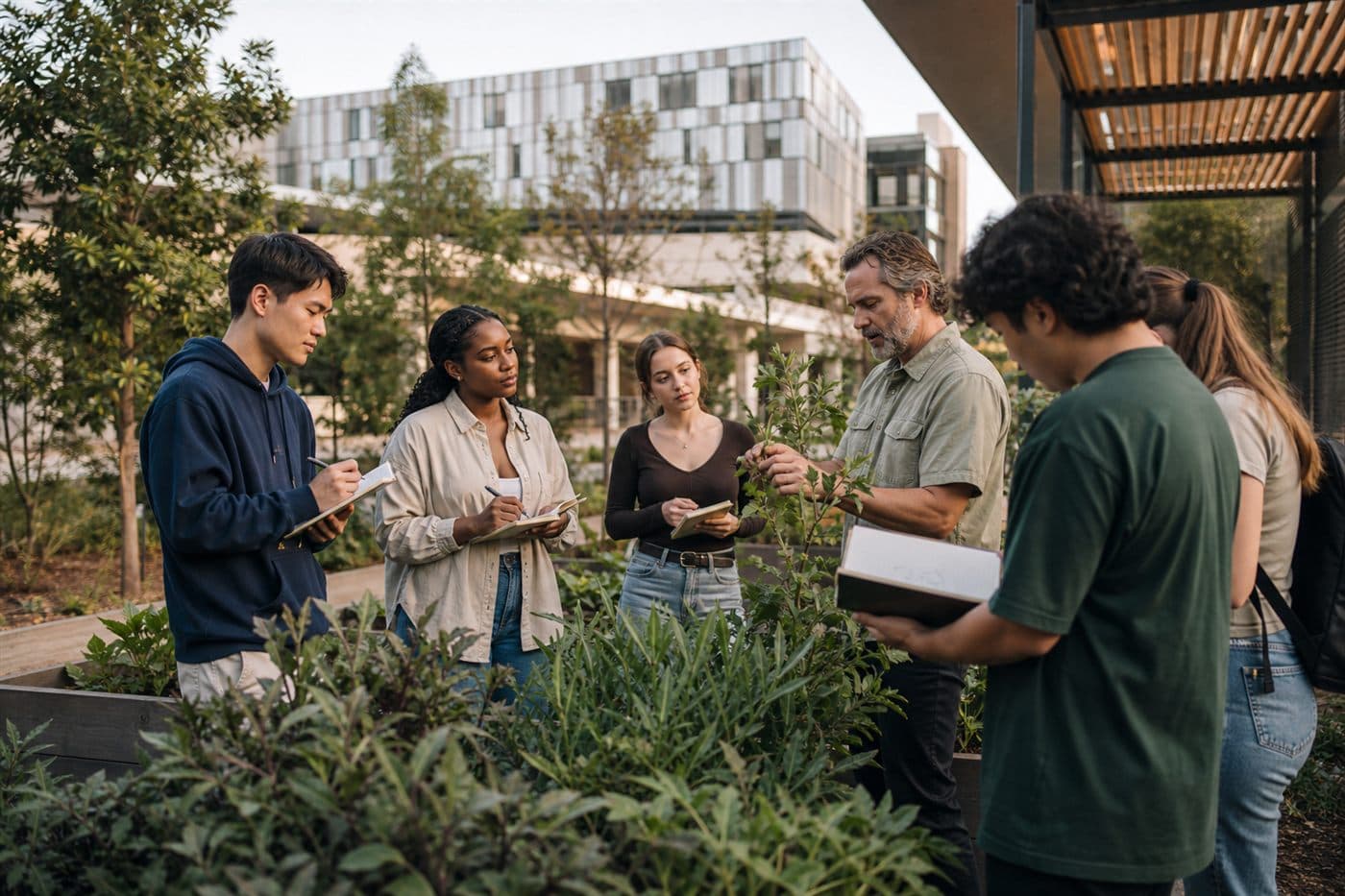
Program images are illustrative and do not represent current clients or completed projects.
An easy way to begin
A guest lecture, seminar, or faculty workshop can introduce therapeutic horticulture within a course, department, or interdisciplinary program. It can stand alone or help a university decide what to explore next.
A lecture, seminar, or workshop can help students and faculty explore the relationship between horticulture, psychology, outdoor learning, and campus wellbeing before deciding whether to develop a larger program.
Potential presentation topics
An accessible overview of the field, its settings, and its potential academic applications.
How people, horticultural activity, outdoor settings, and a clear plan work together.
How an existing garden can become part of teaching, participation, and campus life.
Program opportunities shaped by local ecosystems and year-round outdoor learning.
Choose a starting point
A university can choose the format that fits its current needs without committing to a larger program.
Develop courses and learning experiences that use horticulture and outdoor environments as part of the curriculum.
Develop programs that use campus gardens and outdoor spaces to support student and staff participation.
Create opportunities for faculty collaboration, pilot studies, and program evaluation.
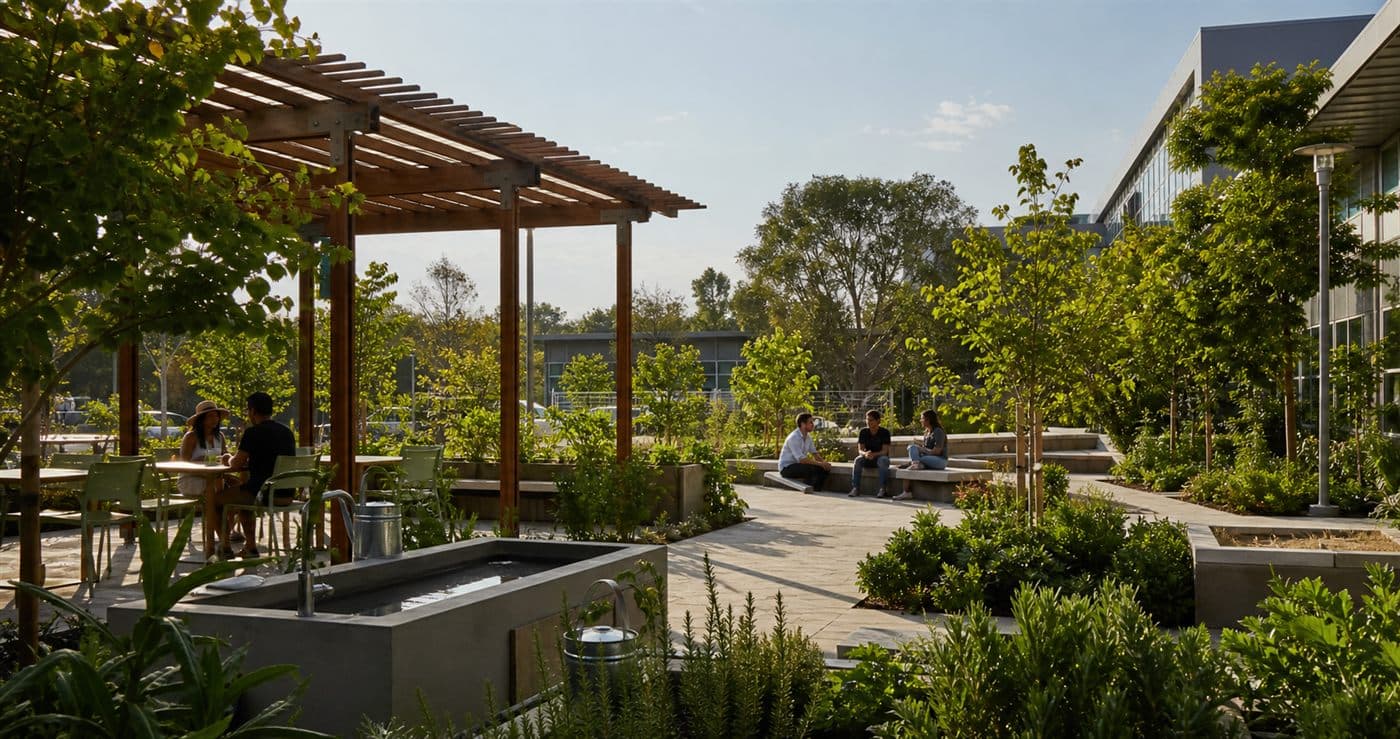
Give a teaching garden, campus garden, greenhouse, courtyard, or other outdoor learning space a clear role in student or community participation.
Working across departments
Horticulture may provide the living material and practical activity. Psychology, public health, sustainability, student affairs, environmental studies, and landscape architecture may each contribute knowledge that strengthens the work.
When other specialists are needed
Our work focuses on program and curriculum development. Landscape architecture, construction, and clinical services should be completed by appropriately qualified specialists.
Two practical ways to begin
Start with a lecture or seminar, or discuss a small pilot for a course, campus wellbeing program, or garden program.