
Public website
How Just Listen to Nature works
From an early idea to a program your organization can use.
Choose a practical starting point, develop the program and supporting materials, bring in relevant expertise when needed, and manage the work through secure client and partner spaces.
A practical path from idea to continuing program
- 01
Choose a starting program
Begin with a lecture, pilot, garden brief, or focused conversation.
- 02
Build the working materials
Create the plans, activities, guidance, and evaluation tools the work requires.
- 03
Bring in the right expertise
Add relevant professional knowledge when the setting or project calls for it.
- 04
Manage the project
Keep decisions, responsibilities, milestones, and approved documents clear.
- 05
Prepare your team to continue
Leave the organization with practical materials and a clear next step.
One project, four connected experiences
The public choice, the working project, and the right people stay connected.
Just Listen to Nature connects public program selection, complete working materials, project coordination, relevant professional expertise, and secure client and partner spaces.
Just Listen to Nature Admin
Plan and manage the work
Organize the project, materials, milestones, responsibilities, and team.Client Portal
Share what the client needs
Give clients a clear view of progress, actions, meetings, and approved materials.People, Plants & Place Network
Find expertise and collaborators
Invite relevant professionals and give them access only when their role is confirmed.Clients and confirmed partners see only the project information and materials shared with them.
Choose your perspective
See what the process makes possible for you.
Each example focuses on the practical value, the materials created, and what the organization or professional receives.
For universities and colleges
Move from interest to a practical university program.
- The need
- A university has academic interest, a garden, or an outdoor learning opportunity, but no clear program connecting the people, place, and teaching goals.
- A practical starting point
- A guest lecture, pilot, course, or teaching-garden program.
Demonstration example - fictional information
- 01
Choose the University Therapeutic Horticulture Pilot or another appropriate starting point.
- 02
Develop curriculum, session plans, facilitator guidance, and evaluation tools.
- 03
Coordinate faculty, staff, horticulture, wellbeing, and other relevant specialists.
- 04
Share milestones, actions, and approved materials through the secure Client Portal.
What this work can provide
- Program plan
- Learning goals
- Session materials
- Facilitator guide
- Evaluation tools
- Continuation recommendations
What changes: A university moves from general interest to a practical pilot with useful materials, clear responsibilities, and informed next steps.
Explore University ProgramsThree practical starting points
Different projects, the same clear connection.
These fictional examples show how a public program choice can become useful materials, coordinated work, and an approved client view.
Demonstration examples - fictional organizations and project information
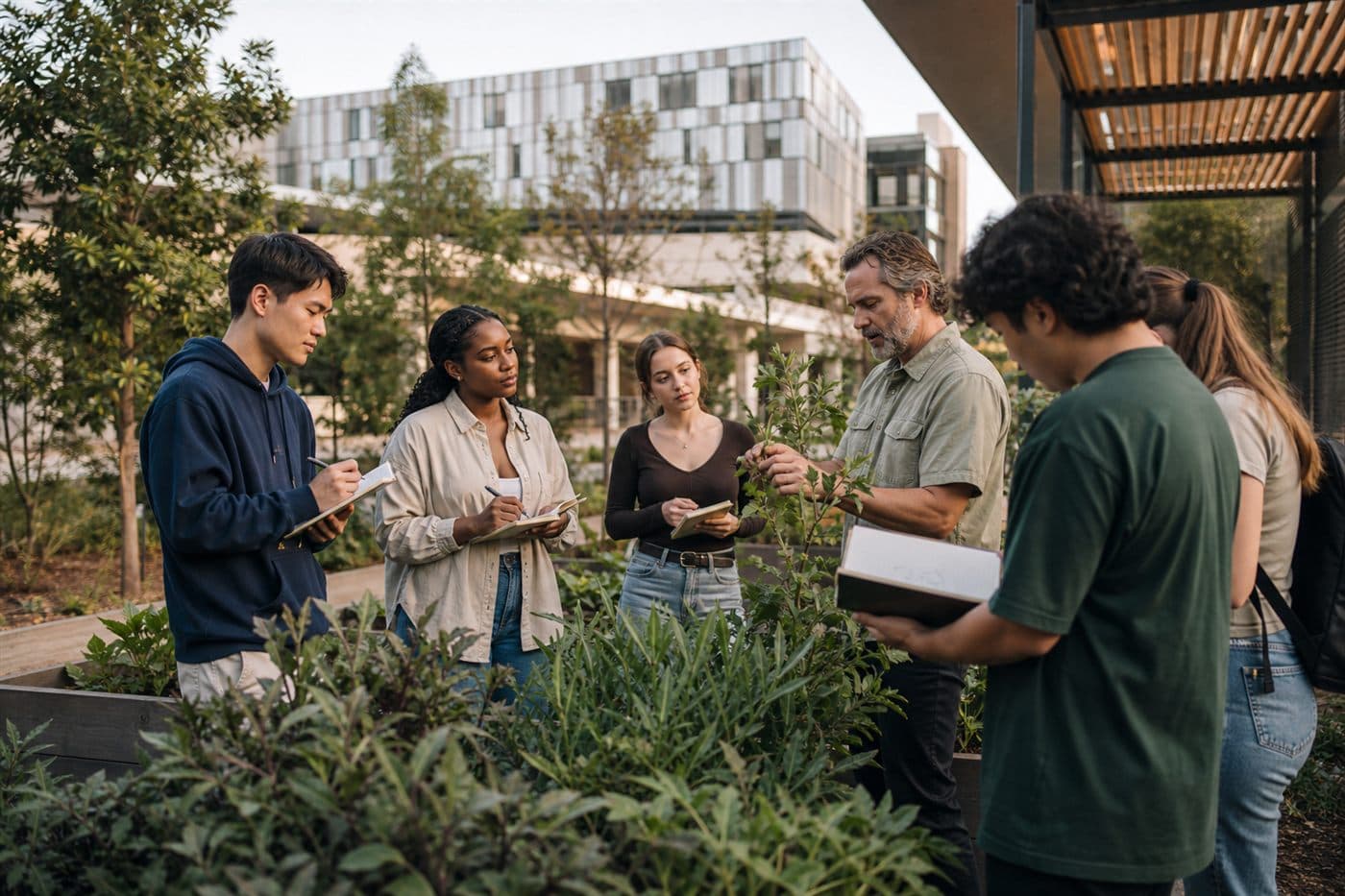
University
University Therapeutic Horticulture Pilot
Public selection becomes a focused pilot with program documents, milestones, a client action, and an approved deliverable.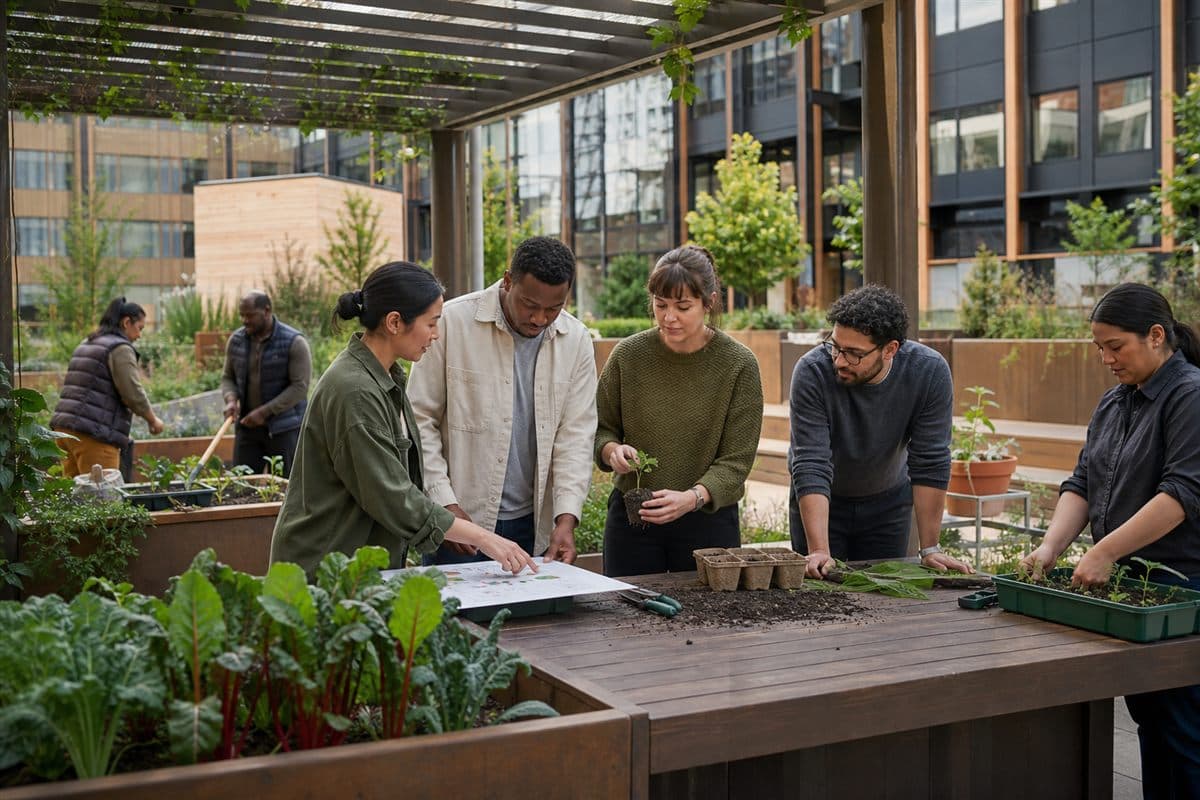
Workplace
Workplace Pilot Series
A short employee program brings together four to six sessions, communication materials, feedback tools, and continuation recommendations.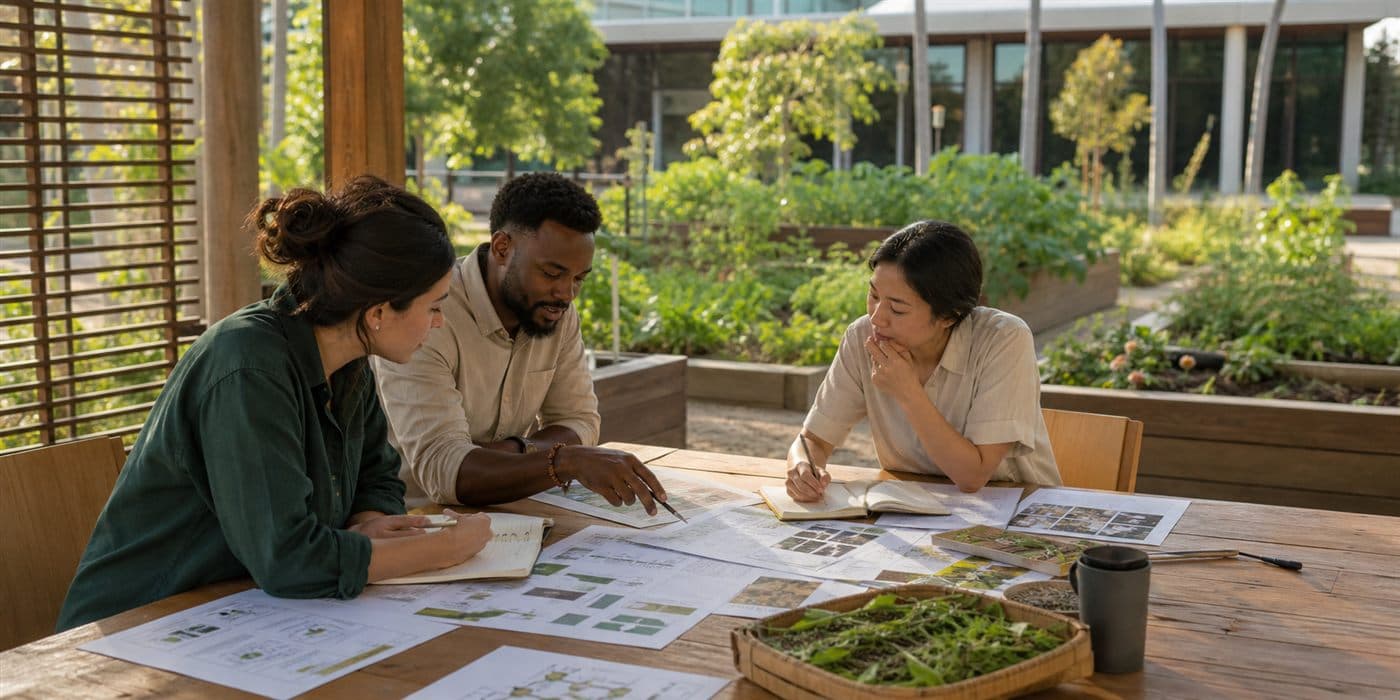
Design team
Program-Ready Garden Brief
Intended users, activities, functional needs, accessibility, operations, and maintenance are captured before the garden opens.People, Plants & Place Network
Show your work. Find collaborators. Discover projects.
Professionals and organizations can create a credible presence, share relevant knowledge, find complementary expertise, and receive private invitations to suitable projects.
- Create a professional profile
- Share work, research, and resources
- Find collaborators
- Receive private project invitations
A concise overview
Take the program and platform overview with you.
Download a short, shareable introduction to the audiences, three flagship starting points, secure project spaces, and the People, Plants & Place Network.
A practical next step
Bring the idea. Build the program. Keep it going.
Tell us about the people, place, and opportunity you are considering. We can identify a useful first step without asking you to commit to a complete program.