People
People define whom the program serves.
About the founder
I created Just Listen to Nature to bring together two fields that have shaped my work: horticulture and psychology. My interest is not only in the garden itself, but in what becomes possible when people actively use plants and outdoor environments for learning, participation, and wellbeing.
Founder and Principal Consultant
I am interested in how purposeful activity, outdoor environments, and thoughtful program design can come together within universities, workplaces, and other organizations.

Horticulture background
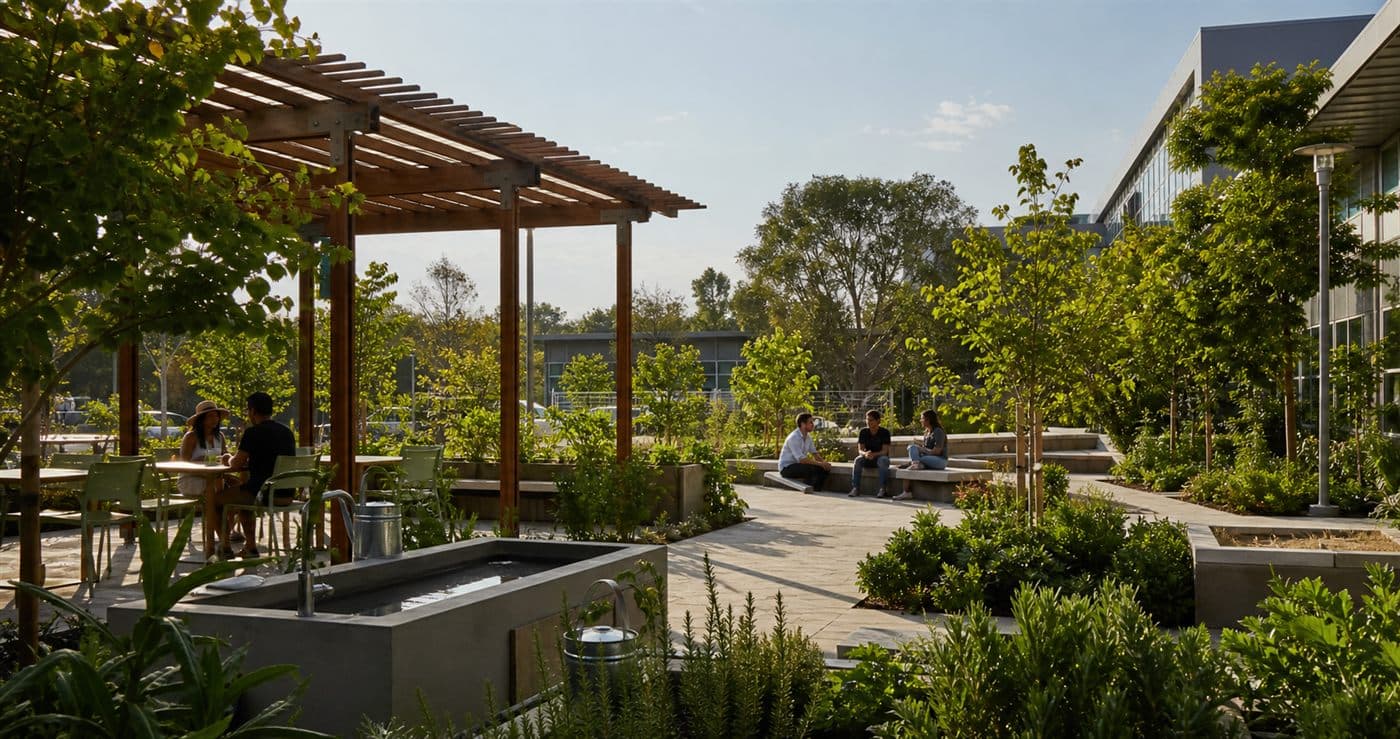
My connection to horticulture deepened through my studies at Farmingdale State College, where the Horticulture Department and its teaching gardens left a lasting impression on me.
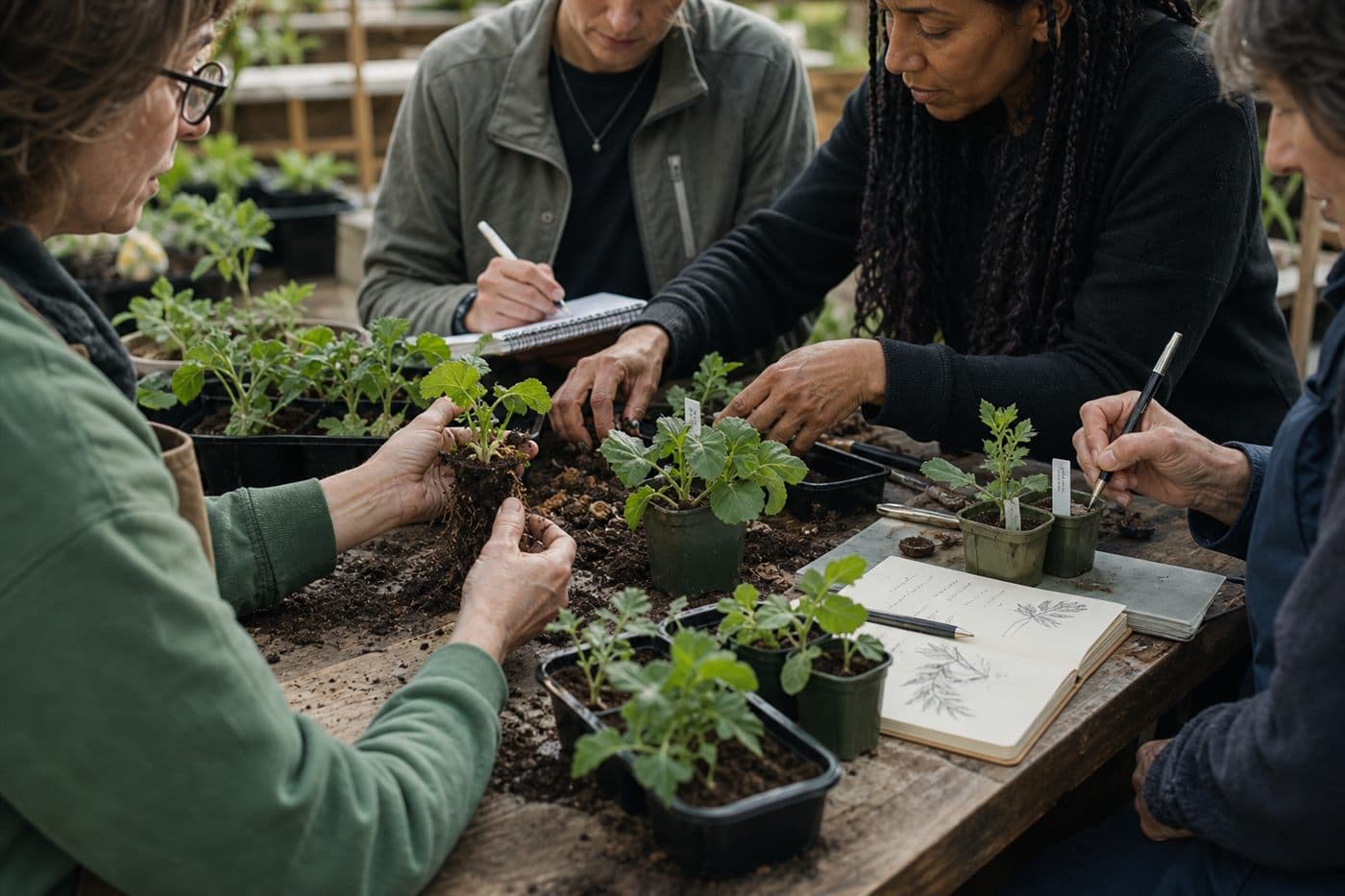
That experience gave me a practical appreciation for plants, growing environments, and the role gardens can play in education. It also raised a larger question that has continued to guide my work: how can horticulture be used not only to cultivate plants, but also to create meaningful experiences for people?
As my academic interests developed, that question led me toward psychology, therapeutic horticulture, and the relationship between people, plants, and outdoor environments.
Academic direction
My academic background spans horticulture, holistic design, and psychology. I hold an AAS in Horticulture, a BS in Holistic Design, and both an MA and MS in Psychology. I am currently pursuing a PhD at Fielding Graduate University with a concentration in Health and Wellness, where my dissertation research focuses on horticultural therapy.
My research explores how purposeful interaction with plants and outdoor environments can inform educational, organizational, and wellbeing programs.
My focus is practical: how universities and organizations can use horticulture and outdoor spaces intentionally, responsibly, and in ways that fit the communities they serve.
Why Just Listen to Nature exists
Many universities and organizations already have gardens, courtyards, growing spaces, or access to outdoor environments. What is often missing is the program that gives those spaces a clear purpose.
“The garden is not the program. The program gives the garden purpose.”
A successful program needs more than plants and physical space. It needs a clear audience, useful activities, a course or program plan, realistic support, and people prepared to continue the work.
Just Listen to Nature exists to help universities and organizations make that transition.
How I work
I begin by asking a few practical questions about the people involved, the purpose of the program, the available setting, and what the organization can realistically continue.
Each program should fit the people who will participate, the place where it will operate, and the organization that will continue it.
My aim is to help create a program the organization can understand, operate, and strengthen over time.
Core perspective
Who is the program for? What will people do with plants? How does the setting shape the experience? What plan will connect those pieces?
People define whom the program serves.
Horticulture offers purposeful activity, seasonal change, observation, care, and opportunities for direct participation.
Place shapes what is culturally, climatically, and practically appropriate.
A clear plan connects people, plants, and place. Without it, an outdoor space can remain underused or disconnected from the organization’s wider goals.
Geographic interest
Just Listen to Nature welcomes international partnerships, with a particular interest in universities and organizations across Asia and in tropical or warm-climate settings.
Programs should respond to local conditions rather than apply one model everywhere. Climate, culture, plant material, available space, local resources, and participant needs all shape what will work.
The strongest programs are shaped by their setting rather than imposed upon it.
Professional scope
Most Just Listen to Nature projects are educational, academic, or organizational. Services may include guest lectures, seminars, curriculum development, program planning, therapeutic garden programming, pilot development, and help preparing the organization to continue the program.
Clinical horticultural therapy requires qualified clinical partners, appropriate supervision, and a suitable treatment setting. Just Listen to Nature does not present educational or organizational wellbeing programs as medical or psychological treatment.
Review the AHTA definitionsA focused first step
A university or organization does not need to begin with a complete program. A lecture, seminar, workshop, or focused pilot can provide a practical first step.